
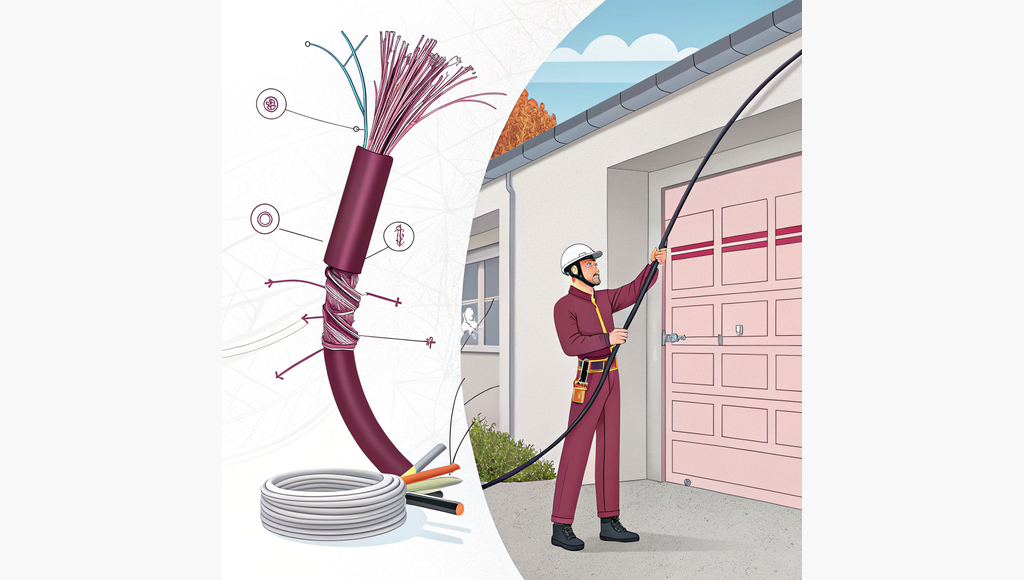
You hear a loud snap in your garage, and suddenly your door won't open or hangs at a crooked angle. Chances are good you've got a broken garage door cable. These steel ropes work alongside your springs to lift hundreds of pounds safely, and when one fails, you need to know whether you're looking at a simple repair or a full cable replacement.
The decision between repairing and replacing depends on what actually broke, how old your system is, and whether other components are showing wear. Most cable issues require replacement rather than repair, but understanding the difference helps you make smart choices about cost and timing.
Safety Note: Never operate your garage door with a broken cable. The door can fall unexpectedly, causing serious injury or property damage. Disconnect your opener and keep the door closed until a professional handles the repair.
What Broken Cables Actually Look Like
Garage door cables show clear warning signs before they fail completely. You might notice fraying where individual steel strands unravel from the main cable, usually near the bottom bracket or drum attachment points. Sometimes cables snap suddenly, leaving loose wire hanging along the track. Other times they slip off the drum pulley, causing the door to tilt dramatically to one side.
When cables break, your door behaves strangely. One side lifts while the other stays down. The door might stick partway up and refuse to move further. You could hear grinding or scraping sounds as metal components rub together without proper cable guidance. The opener motor might strain and hum without actually moving the door.
Cables typically break because they've reached the end of their 10-15 year lifespan. Rust from moisture exposure weakens the steel over time. Sometimes a broken spring causes sudden slack that lets cables slip off their pulleys. Regular wear from thousands of opening cycles eventually fatigues the metal until it snaps. Once you spot fraying or hear unusual sounds, failure usually happens within weeks or months.
Repair vs Replacement: Which Makes Sense
Cable "repair" really means adjusting tension or realigning a cable that slipped off its pulley but didn't break. This works when cables are still intact but operating incorrectly. Technicians reposition the cable, adjust spring tension, and test the system. This option costs less but only applies to specific situations where no physical damage occurred.
Cable replacement means installing new steel cables on both sides of your door. Professionals always replace both cables together, even if only one broke. The reasoning makes sense when you think about it. Both cables have the same age and usage history. If one failed, the other is probably close behind. Replacing just one cable means you'll likely face another service call within months when the second cable breaks.
| Factor | Repair | Replacement |
|---|---|---|
| Cost Range | $100-$200 | $150-$350 |
| Timeline | 1 hour | 1-2 hours |
| Best For | Slipped cables, minor misalignment | Frayed, snapped, or aged cables |
| Durability | Temporary if cables are old | 10-15 years with proper maintenance |
The age of your garage door matters here. If your door is over 15 years old and you're facing cable replacement, ask about spring condition too. Springs and cables often fail around the same time. Replacing both during one service call saves you a second trip charge and gives you a fully refreshed lifting system.
Pro Tip: Always replace both cables even if only one broke. The second cable has identical wear and will likely fail within weeks or months, leaving you with another service call and additional expense.
Cost Breakdown for Both Options
Standard cable replacement for both sides runs $150 to $350 depending on your location and door size. That price includes labor, parts, and system testing. Urban areas like DC or Seattle tend toward the higher end of this range. Smaller markets often come in cheaper. The cables themselves only cost $12 to $50 for the pair. The rest covers a technician's expertise, tools, and about an hour or two of work.
Emergency service changes the math significantly. After-hours calls, weekends, or holiday service typically adds $100 to $300 to your bill. When you're stuck with your car trapped inside or your home security compromised, that premium might be worth it. For non-emergency situations, scheduling during regular business hours saves you money.
Simple realignment or tension adjustment costs less, usually $100 to $200. But this only works when cables haven't actually broken. Partial repairs or temporary fixes sound appealing but rarely deliver good value. Splicing cables or replacing just one side fails more than half the time within a year.
Professional companies often bundle cable replacement with spring service if both components need attention. This makes sense because technicians already have the door apart and springs under control. You might pay $300 to $500 total for both springs and cables, but you avoid paying separate service call fees for each repair. Check out our guide to spring replacement costs to understand when bundling makes financial sense.
Why Professionals Handle This Work
Garage door cables connect directly to your spring system, which stores enough energy to lift 300-plus pounds. When technicians replace cables, they need to release and reset spring tension using specialized winding bars. One mistake with these tools can send a spring flying with bone-breaking force. Emergency rooms treat thousands of garage door injuries every year, with spring and cable accidents accounting for a significant portion.
Professionals bring tools most homeowners don't own. Winding bars fit precisely into spring cones to control tension safely. Specialized clamps secure components while technicians work. Cable tension gauges ensure proper adjustment so your door lifts evenly. Trying to improvise with standard tools puts you at serious risk.
The process takes trained technicians one to two hours because they're following safety protocols and checking the entire system. They verify spring tension, test door balance, inspect tracks and rollers, and ensure safety sensors work correctly. You're not just paying for cable installation. You're paying for someone who knows how to keep everything else from failing while they work.
When you're ready to hire someone, focus on finding licensed, insured contractors with strong recent reviews. Our guide on choosing a reliable garage door repair company walks through exactly what credentials to verify and which questions to ask. Taking time to vet contractors prevents problems with poor workmanship or surprise charges.
Safety Warning: DIY cable replacement requires releasing high-tension springs that can cause severe injury or death if mishandled. Even experienced DIYers should leave this work to licensed professionals with proper training and equipment. Learn more about preventing garage door accidents.
Your garage door cables do critical work keeping your door balanced and operational. When they break, replacement usually makes more sense than repair. Both cables should be swapped together by a licensed professional who can handle the spring system safely. Budget $150 to $350 for standard service, get quotes from multiple companies, and avoid the temptation to DIY this particular repair. Your safety and your door's proper function depend on getting this work done right.
FAQs
Can I use my garage door with a broken cable?
No, never operate your garage door with a broken cable. The door can fall unexpectedly and cause serious injury or property damage. When one cable breaks, the door loses balance and puts dangerous stress on remaining components. Disconnect your automatic opener and keep the door closed until a professional technician completes the repair. Your safety is worth the inconvenience of waiting.
Should I replace one cable or both when one breaks?
Always replace both cables together, even if only one broke. Both cables have identical age and wear from the same number of opening cycles. If one failed, the other cable will likely snap within weeks or months. Replacing both during one service call prevents a second trip charge and gives you a fully balanced system that lasts another 10 to 15 years.
How much does garage door cable replacement cost?
Professional cable replacement for both sides typically costs $150 to $350, including labor and parts. The cables themselves only run $12 to $50, with the rest covering expert installation and system testing. Emergency after-hours service adds $100 to $300 to your bill. Urban areas tend toward higher prices, while smaller markets often charge less. Regular business hours save you money.
Can I replace garage door cables myself?
DIY cable replacement is extremely dangerous and not recommended. Cables connect directly to high-tension springs that store enough energy to lift over 300 pounds. One mistake can send springs flying with bone-breaking force. The job requires specialized winding bars, tension gauges, and safety training that most homeowners lack. Emergency rooms treat thousands of garage door injuries annually. Leave this work to licensed professionals.
- garage door cable replacement
- garage door cable repair
- garage door cable cost
- garage door won’t open cable broken